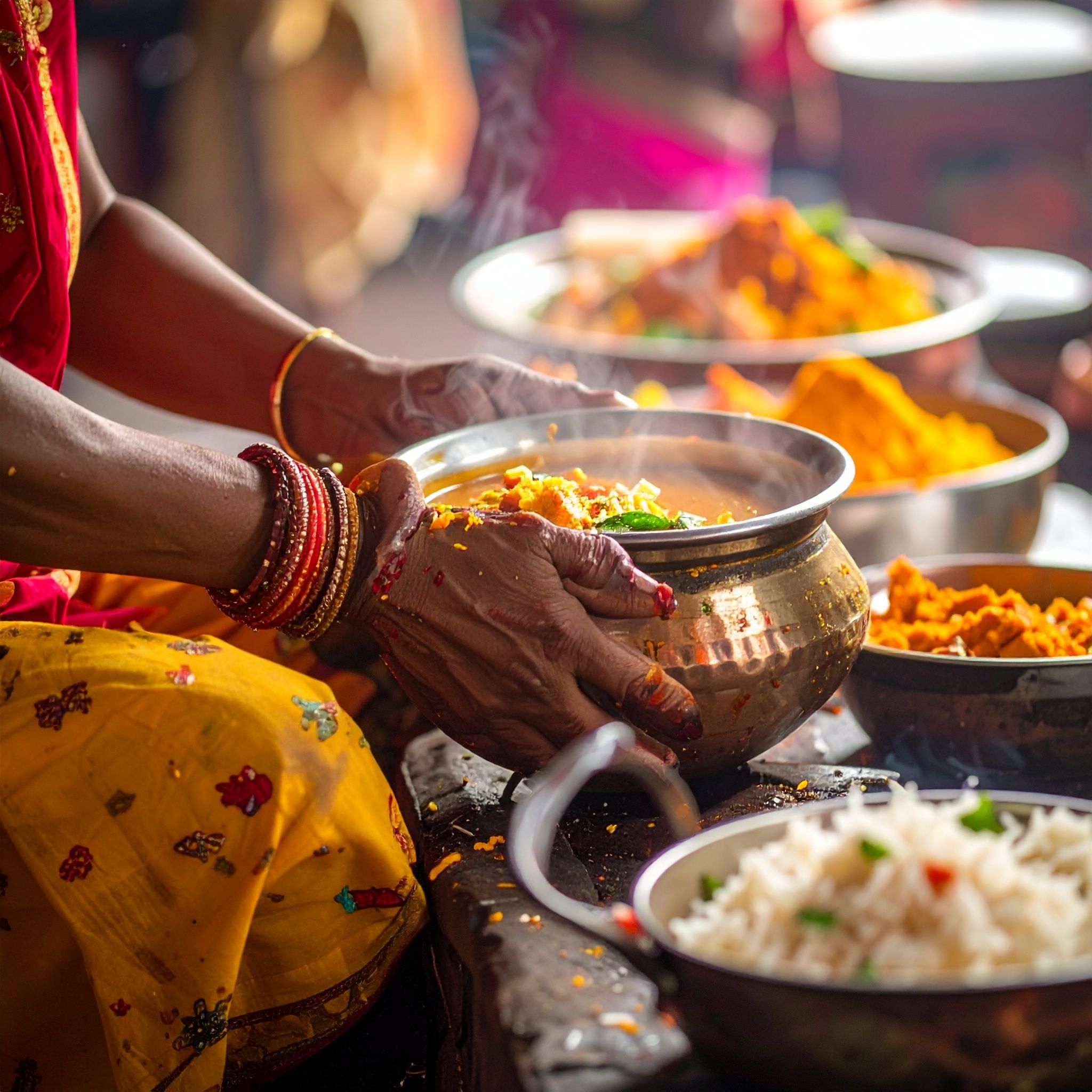
The Secret to Authentic Indian Cooking: It’s Not Just the Spice
Most people believe Indian food is defined by “heat,” but the true soul of the cuisine lies in the art of tempering (Tadka) and the balance of six tastes. From the mustard-heavy plates of West Bengal to the coconut-infused coastal curries of Kerala, authentic Indian cooking is a regional map of history and geography.
3 Essential Indian Traditional Cooking Recipes Every Home Cook Needs
. The Heritage Dal Tadka
Forget the bland lentil soups you’ve had before. A true Dal Tadka uses a smoky “Dhuan” technique.
-
-
The Secret: Finish your yellow lentils with a tempering of cumin seeds, dried red chilies, and a pinch of Hing (asafoetida) in grass-fed ghee. For that restaurant-style aroma, place a hot piece of charcoal in a small bowl inside the dal pot, drizzle with ghee, and seal the lid for five minutes.
-
. Paneer Lababdar (The “Desire” Curry)
While Tikka Masala gets all the fame, Lababdar is the sophisticated cousin.
-
-
The Difference: This recipe uses a base of cashews and melon seeds to create a velvety texture without over-relying on heavy cream. It’s a masterclass in balancing the sweetness of onions with the sharp tang of vine-ripened tomatoes.
-
. Coastal Fish Moilee
A gentle, fragrant turmeric-and-coconut milk curry from Kerala.
-
-
The Vibe: Unlike the heavy, spice-laden dishes of the North, this is light and citrusy. The use of fresh curry leaves and slit green chilies provides a “bright” heat that complements the delicate nature of seafood.
-
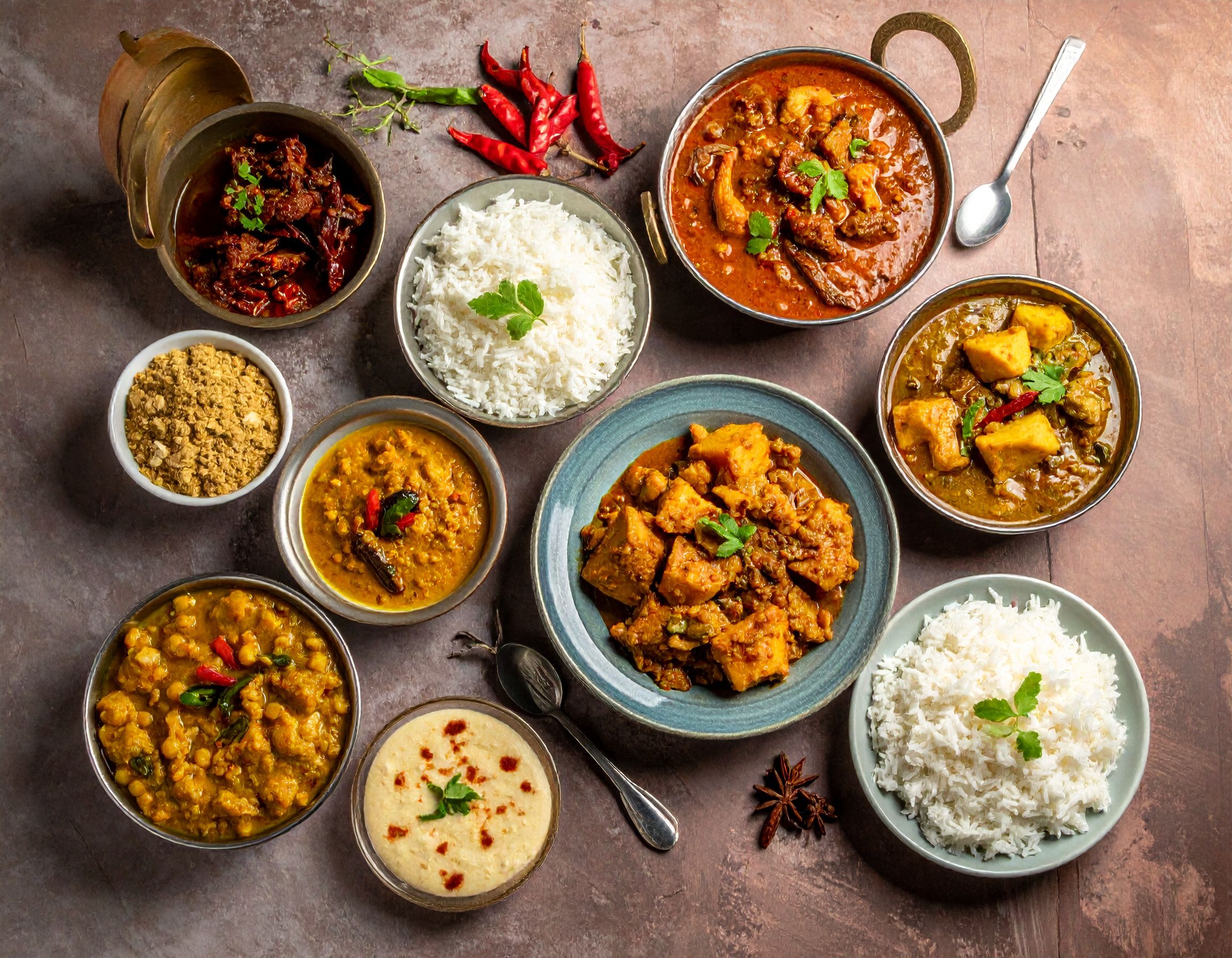
The “Big Three” Fresh Aromatics
While jars of dried powder are convenient, the backbone of Indian cooking is a fresh paste made from three simple ingredients:
-
Ginger
-
Garlic
-
Green Chilies
Sautéing these fresh rather than using store-bought pastes provides a bright, sharp edge that cuts through the richness of heavy creams or lentils.
| Taste | Common Ingredients |
| Sweet | Jaggery, onions, carrots |
| Sour | Tamarind, lime, yogurt, amchur (mango powder) |
| Salty | Sea salt, black salt (Kala Namak) |
| Pungent | Chilies, ginger, raw onions |
| Bitter | Fenugreek leaves (Kasuri Methi), turmeric |
| Astringent | Turmeric, beans, lentils |
Texture Over Heat
Finally, the “secret” is often in the texture. Whether it’s the creamy silkiness of a Dal Makhani achieved through hours of slow simmering, or the crunch of a fresh Kachumber salad on the side, Indian cooking relies on contrast.
The goal isn’t to burn your palate; it’s to create a “symphony” where the spice is just one instrument in the orchestra. When you master the Tarka and the Bhuna, you stop cooking with recipes and start cooking with soul.
How adventurous are you feeling with your spice cabinet—are you looking to master a specific regional dish or just nail the basics of a solid curry base?
Layering: The “Bhuna” Technique
You cannot rush a good curry. The Bhuna process involves frying ground spices, onions, ginger, and garlic over medium-high heat until the oil begins to separate from the paste.
-
Why it matters: This separation is the “tell” that the raw smell of the aromatics is gone and the flavors have concentrated.
-
The Result: A rich, complex base that coats the ingredients rather than just sitting on top of them.
The Secret to Authentic Indian Cooking: It’s Not Just the Spice
When most people think of Indian cooking, they immediately think of “heat.” There’s a common misconception that the cuisine is defined solely by a heavy hand with chili powder. But if you ask any Indian grandmother, she’ll tell you the truth: the real magic isn’t in how much spice you use, but how you treat it.
Authentic Indian food is a delicate balance of chemistry, timing, and technique. Here is the secret to mastering the art.
The Heart of Flavours: A Guide to Authentic Indian Cooking
Indian cooking is far more than just a culinary technique; it is a vibrant tapestry of history, culture, and science woven together through the artful use of spices. From the saffron-infused biryanis of the north to the coconut-rich curries of the south, every dish tells a story of regional identity and seasonal bounty.
The Soul of Indian Traditional Cooking
At its core, Indian traditional cooking is rooted in the philosophy of balance. It isn’t just about heat; it’s about harmonizing the six tastes: sweet, sour, salty, bitter, pungent, and astringent.
Traditional methods often rely on time-honored tools and techniques that define the flavor profile of the subcontinent:
-
The Tadka (Tempering): The secret to many dishes lies in heating oil or ghee and flash-frying whole spices like mustard seeds, cumin, and dried chilies to release their essential oils.
-
Slow-Simmering: Many legendary dishes are cooked over a low flame for hours, allowing the spices to permeate the ingredients thoroughly.
-
Stone-Grinding: While modern blenders are convenient, the traditional sil-batta (grinding stone) is still prized for creating pastes with superior texture and aroma.